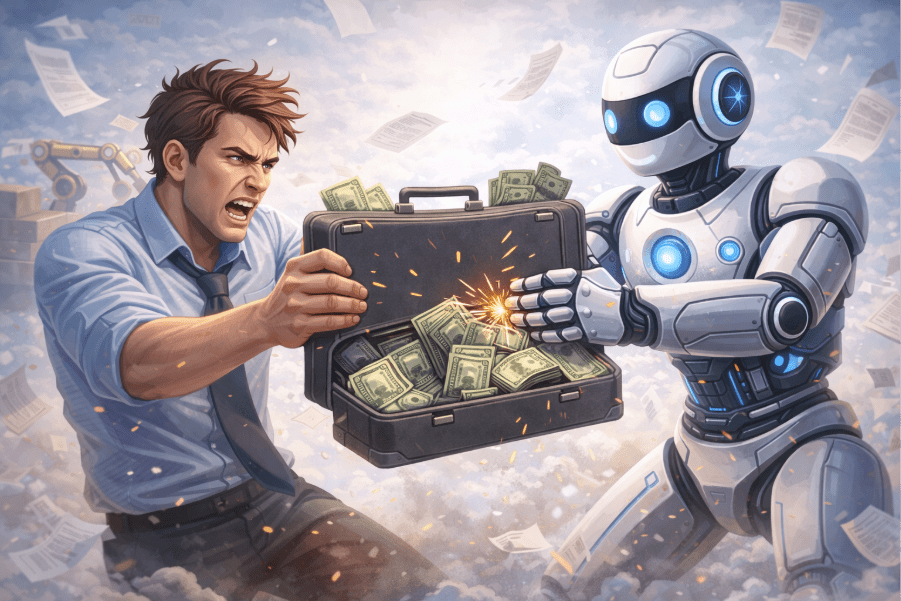

AI is quickly becoming a bigger part of our daily lives and changing how we live. A lot of individuals are scared that AI will take their jobs. Others view technology as a lifesaving tool that makes their work easier and opens up new possibilities. So, do you think AI is a real danger to jobs, or is it merely another step ahead in the evolution of technology? As AI keeps becoming better, it’s important to know how it affects things. This blog will cover all you need to know. Please keep reading as we answer your most important questions.
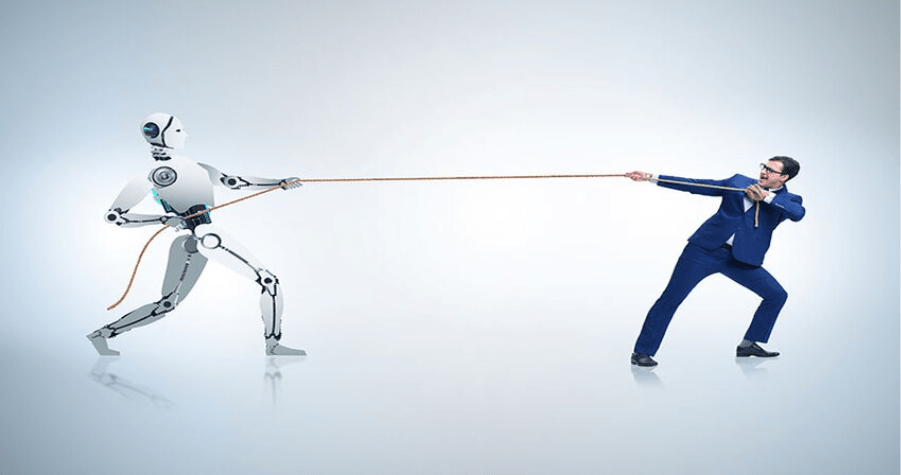
How AI Is Changing Jobs: Automation, Displacement, and New Roles
AI is advancing quickly, which is good and bad at the same time, especially when it comes to jobs. As AI takes over more activities, the need for human labour is going down. Some jobs are more at risk than others. In the smart manufacturing business, robots are taking over monotonous duties on the assembly line. This makes things run more smoothly but means that fewer people are needed. Retail is also affected, as cashiers and stockroom staff are being replaced by self-checkout systems and AI-powered inventory management.
Autonomous cars might put employment in delivery and long-haul trucks at risk in the transportation industry. AI chatbots can answer simple questions and automate scheduling, which means that there is less need for human agents in customer support and administrative positions. AI makes work more efficient, but it also makes industry reconsider employment responsibilities and strike a balance between automation and human skill.
Where Humans Still Have the Edge Over AI

Despite all of AI’s tremendous progress, many occupations still need talents that robots can’t copy. There will always need to be a person involved in jobs that demand a lot of creativity, emotional intelligence, and problem-solving skills, including teaching, psychology, art, and writing. Also, jobs that require hands-on labor, like electricians, plumbers, and healthcare professionals, need skills and flexibility that AI doesn’t have. AI isn’t only ripping jobs away; it’s also making new ones in areas like data science, AI ethics, and cybersecurity.
The future of work isn’t about people and AI fighting each other; it’s about how we can utilise AI to help us improve our talents and do more important, valuable work. People who learn to work with AI instead of being afraid of it will have a bigger edge in the job market as it changes.
How to Future‑Proof Your Career in the Age of AI
In this section, we’ll speak about how we may adapt to AI and other new technologies to stay up to date and maintain our employment while also taking advantage of AI’s benefits. We should always see AI as a strength, not a problem.
The greatest way to go ahead is to change. We should not perceive AI as a danger, but rather as a tool that may help us get better at what we do and give us new opportunities. Yes, automation is taking over some professions, but at the same time, it is making new opportunities in areas like AI ethics, data analytics, and cybersecurity—jobs that didn’t even exist ten years ago. To be relevant in this changing world, you need to keep learning and improving your skills.
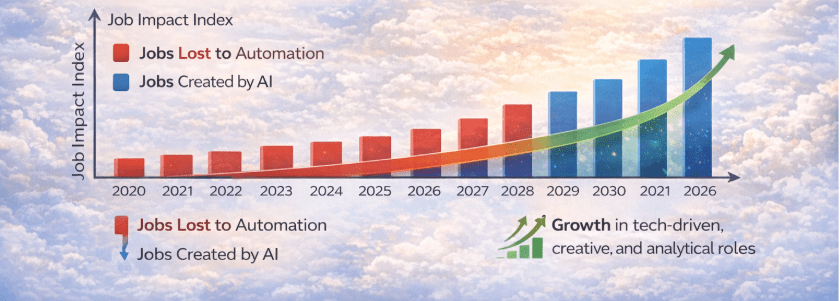
Instead of trying to beat AI, we should focus on what makes humans human: our creativity, emotional intelligence, ability to solve problems, and ability to think critically. There will always be a need for jobs that require people to make decisions, communicate with others, and gain hands-on experience. Being able to adapt is the most important thing. People who accept AI and learn how to deal with it will be better off than those who fight change.
AI won’t take over jobs in the future; instead, we’ll use technology to make our work smarter and more efficient. Companies, workers, and even teachers need to be aware of this change and get ready for a future run by AI. People who are willing to acquire new skills, use AI technologies, and focus on what people are good at will not only get through this change but will also do well in it. The future is one of working together, not competing, where people and AI collaborate to create new things and move forward.
References:
- World Economic Forum. (2023). Future of Jobs Report 2023. https://www.weforum.org/reports/the-future-of-jobs-report-2023
- Carl Benedikt Frey & Michael A. Osborne. (2017). The Future of Employment: How Susceptible Are Jobs to Computerisation? Technological Forecasting and Social Change, 114, 254–280.
- International Labour Organization. (2023). Generative AI and Jobs: A Global Analysis of Potential Effects. https://www.ilo.org/global/publications/working-papers