
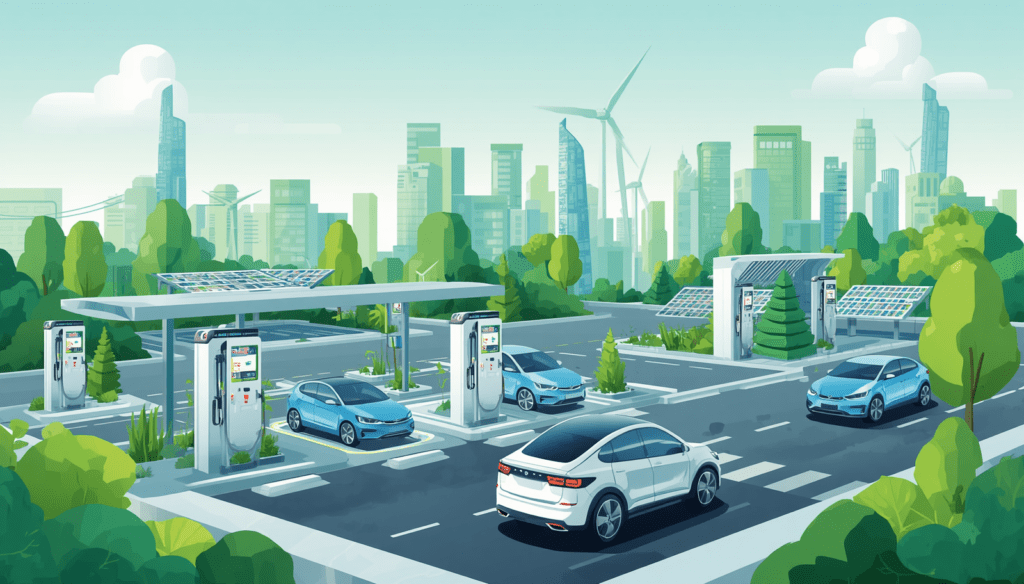

India’s electric vehicle (EV) infrastructure is growing faster than ever, leading the country toward a cleaner, more sustainable future. Experts say that by 2030, India could have more than 50 million electric vehicles on its roads. This is because the government is pushing for renewable energy and technology is getting better.
But what does this change really mean for regular people, business owners, and the economy of the country? Let’s break down this trip to an electric future.
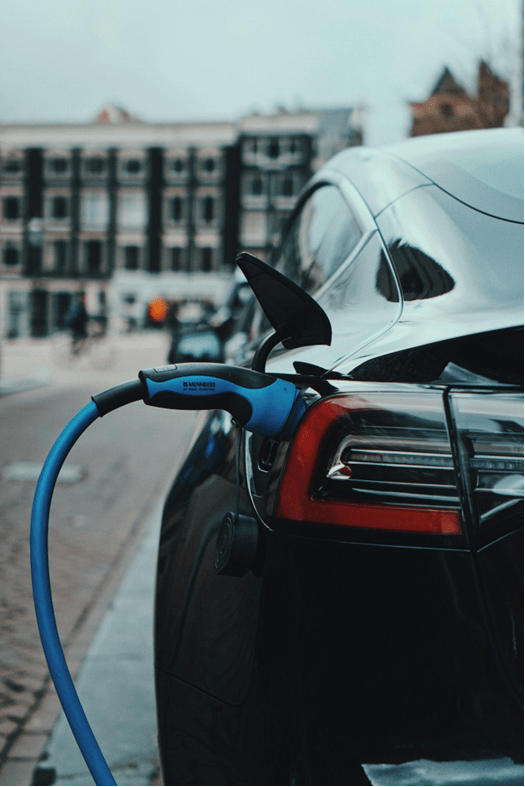
Image Source: Sock8
Starting the Charge Toward Sustainability
India has big plans to cut down on its carbon footprint, and one of the most important things it can do to reach those goals is to electrify transportation.
The cost of fuel is going up, people are worried about the environment, and battery and charging technology are moving quickly.
The government and private sector are both putting a lot of money into EV infrastructure to make sure that the switch to electric vehicles happens quickly and smoothly. This promise is part of India’s larger goal to become a world leader in eco-friendly transportation.
Key Factors Driving the Growth of EV Infrastructure
FAME (Faster Adoption and Manufacturing of Electric Vehicles) Program
The FAME program from the government gives buyers money off and manufacturers money to make electric vehicles, making them more affordable and easier to get.
The PLI (Production-Linked Incentive) Scheme
The main goal of the PLI scheme is to help make more batteries in India. It wants to lower the overall cost of EVs and make India more self-sufficient in clean energy technologies by making it less reliant on imports.
Incentives at the State Level
Many states are adding their own benefits, like lower taxes, free registration fees, and special parking or traffic lanes for electric vehicles. This makes it easier for people to switch to electric vehicles more quickly.
Expanding Charging Networks
One of the biggest things that has kept people from using electric vehicles is the lack of charging stations. India is quickly building up its public and private charging infrastructure to meet the growing demand.
Charging Stations for the Public:
The government wants to put in more than 100,000 public charging stations across the country in the next five years so that charging an electric vehicle is easy and convenient.
Technology for fast charging:
Companies like BPCL, Tata Power, and Ather Energy are putting money into ultra-fast chargers that can charge an electric vehicle in just a few minutes instead of hours.
Stations for changing batteries:
This new idea is becoming more popular, especially for two-wheelers and commercial fleets. It lets drivers quickly switch out dead batteries for fully charged ones, which saves time and makes things run more smoothly.
Increasing Adoption Rates of EVs
The number of people who want to buy EVs and the number of EVs sold are both going up. There are a number of things that are driving this rise:
Affordable EV Options
Tata Motors, Mahindra, MG Motors, and Ola Electric are all making affordable electric cars and buses. This gives Indian consumers more options that fit their budgets.
Growth of Two- and Three-Wheeler Segments
Electric scooters, bikes, and rickshaws are taking over the market because they are cheap to run and easy to use. These parts are changing the story of electric mobility in India.
Commercial Fleet Electrification
Companies like Uber and Ola are switching a lot of their cars to electric vehicles. This sets an example for the commercial transportation sector and helps lower pollution levels in cities.
Combining Renewable Energy
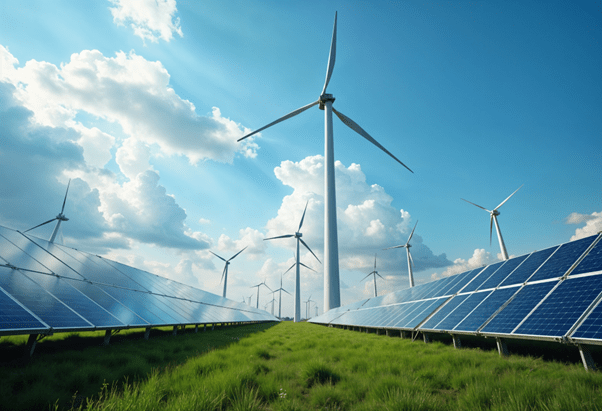
Clean energy sources must be used for EV infrastructure to stay truly sustainable. India has done a great job of adding renewable energy to its electric vehicle ecosystem.
More and more charging stations are now getting their power from solar and wind energy. This means that the electricity used to charge EVs is also good for the environment.
Another exciting step forward is the use ofVehicle-to-Grid (V2G) technology. V2G lets electric vehicles send unused electricity back to the grid, which helps keep the supply and demand for energy in balance during peak hours. This two-way flow of energy makes the whole renewable energy system stronger.
Challenges and the Road Ahead
Even though things are moving quickly, India’s EV revolution still faces a number of problems.
- High costs for batteries:
Prices are slowly going down, but it still costs a lot of money to make batteries and do research on them. Making batteries that are efficient, cheap, and made in the area is still a top priority.
- Limited Infrastructure in Rural Areas:
Charging stations are becoming more common in cities, but they are still not as common in rural and semi-urban areas. For EV adoption to happen all over the country, charging networks need to reach smaller towns.
- Getting the power grid ready:
India’s power grid will have to work harder if a lot more people use electric vehicles. To upgrade the grid and make sure that energy is always available, government agencies, private companies, and technology providers will need to work together.
To solve these problems, everyone will need to work together. India’s transition to a fully electric future will depend on how much money is spent on battery research, smart energy management, and government policies that help.
Electricity is the Future
Experts think that by 2030, electric cars will be the most common type of vehicle on Indian roads. This will completely change how people get around.
This movement isn’t just about having cleaner air; it’s also about being independent, coming up with new ideas, and being able to keep things going. Every EV sold and every charging station built brings India one step closer to being a greener, more energy-independent country.
India is getting closer to a better, cleaner, and smarter tomorrow with every plug-in and every trip.
Are you ready to join India’s electric vehicle revolution? Change is already happening, and there’s no going back.
References
- FAME India Scheme (Phase II) – Ministry of Heavy Industries https://heavyindustries.gov.in/en/schemes/fame-india-scheme-phase-ii (heavyindustries.gov.in in Bing)
- Production-Linked Incentive (PLI) Scheme for Advanced Chemistry Cell (ACC) Batteries – DPIIT https://dpiit.gov.in/pli-schemes (dpiit.gov.in in Bing)
- EV Charging Infrastructure Guidelines & Standards – Bureau of Energy Efficiency (BEE) https://beeindia.gov.in/content/e-mobility
- NITI Aayog – Electric Mobility Reports & Policy Roadmaps https://www.niti.gov.in/electric-mobility (niti.gov.in in Bing)