


Introduction
Cybersecurity has become one of the most exciting and rewarding career options in 2026. Almost every organization today depends on technology, whether it’s a bank, hospital, school, online store, or government office. As businesses continue to move their work online, protecting digital systems and sensitive information has become more important than ever.
As a larger number of people begin to work, shop, make payments online, and communicate using technology, cyber threats have also grown to be a cause for concern among businesses. Companies are in need of personnel who can identify potential threats early on, protect their critical systems, and take necessary actions rapidly when problems with security occur. Therefore, cybersecurity has developed as a highly sought-after job domain with huge possibilities for growth.
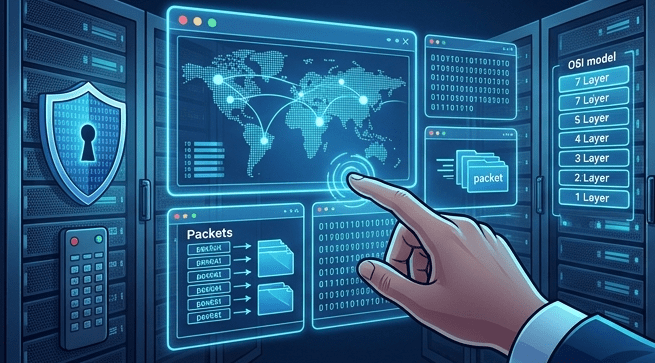
If you’re interested in technology, enjoy solving problems, and like learning new things, cybersecurity could be the right career for you. Here’s a simple roadmap to help you understand the field and prepare for a successful future.
1. Why Cybersecurity Is Growing So Fast
1.1 Data Has Become One of the Most Valuable Assets
Every day, businesses collect and store large amounts of information, from customer records and payment details to employee data and business plans. If this information falls into the wrong hands, it can cause serious problems, including financial losses and loss of customer trust.
This is where cybersecurity professionals play an important role. Their job is to keep sensitive information secure and prevent unauthorized access. As organizations continue to rely more on digital systems, the need for people who can protect that data keeps increasing day by day.
1.2 More Connected Devices Mean More Security Challenges
Our daily lives are filled with smart devices such as phones, smart TVs, fitness bands, home assistants, security cameras, and connected cars. Businesses also use smart sensors and automated systems in factories and offices.
While these devices offer convenience, ease of use, and improved efficiency, they also create new security risks. Each connected device can become a potential target if it is not properly protected. That’s why securing IoT devices has become an important part of modern cybersecurity.
1.3 AI Is Changing Cybersecurity
Artificial Intelligence is now a major part of cybersecurity.
Security teams use AI to detect unusual activity, identify threats faster, and automate routine tasks. This allows them to respond to attacks much more quickly than before.
However, attackers are also using AI to create realistic phishing emails, fake videos, automated malware, and smarter cyberattacks. Because of this, cybersecurity professionals need to understand how AI works so they can stay one step ahead.
2. Career Opportunities in Cybersecurity
2.1 Strong Demand Across Every Industry
The importance of cybersecurity is no longer just limited to technology businesses. Nowadays, every kind of organization relies on safe digital systems for running its business. Whether it is a company working in health care, banking, or education, every organization has a need for people who can create safe systems.
To improve norms of security and privacy, different institutions and authorities, along with businesses and companies, are working together to make sure people work in cybersecurity. As the golden age of employment continues, the job market is also increasing in size, and the demand for professionals in the field of cybersecurity never ceases to exist.
2.2 Competitive Salaries and Career Growth
Many people are drawn to cybersecurity because of the high demand for the profession in today’s workforce, along with the high wages. Companies spend money on talented employees because they see security as a business necessity and not just something technical.
There are a lot of chances to specialize, obtain credentials, and enter management and expert roles in this line of work. Cybersecurity professionals must continue to hone their competencies as new challenges and developments arise.
2.3 Different Career Paths to Explore
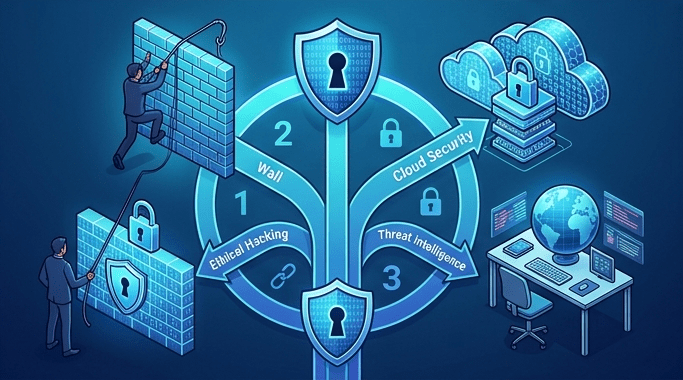
Cybersecurity offers many specializations, allowing you to choose a role based on your interests.
Some popular career options include:
- Security Analyst – Monitors systems and identifies security threats.
- Ethical Hacker – Finds vulnerabilities before hackers can exploit them.
- Penetration Tester – Simulates cyberattacks to test an organization’s security.
- Cloud Security Engineer – Protects cloud platforms and online services.
- Digital Forensics Expert – Investigates cyber incidents and collects digital evidence.
- Incident Response Specialist – Responds quickly to security breaches and minimizes damage.
- Threat Intelligence Analyst – Studies new cyber threats and helps organizations prepare for future attacks.
3. Skills You Need to Build
3.1 Learn the Technical Basics
Start by building a strong foundation in:
- Computer networking
- Operating systems
- Cybersecurity fundamentals
- Cryptography
- Web application security
- Basic programming (Python is a great choice)
These topics will help you understand how systems work and how attackers try to exploit them.
3.2 Get Comfortable with Industry Tools
As you gain experience, learn to use tools that cybersecurity professionals work with every day, such as:
- Wireshark
- Burp Suite
- Metasploit
- Nmap
- SIEM platforms
- Vulnerability scanners
Hands-on practice is one of the best ways to improve your skills.
3.3 Develop Your Soft Skills
Technical knowledge is important, but employers also value soft skills.
Good cybersecurity professionals can think logically, solve problems under pressure, communicate clearly with their team, and adapt to new technologies. Since cyber threats are constantly changing, being curious and willing to keep learning is one of the biggest advantages you can have.
4. Your Next Steps
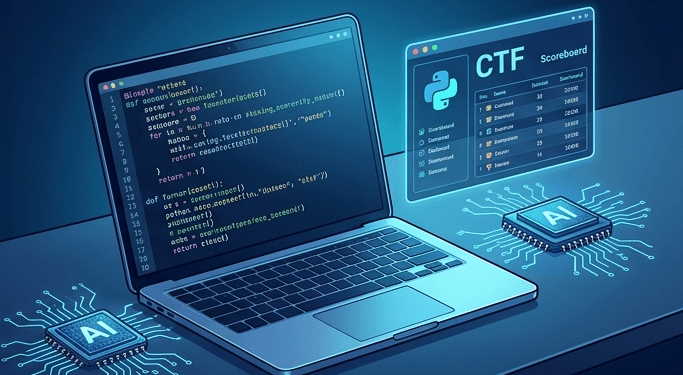
For someone looking to build a career in cybersecurity, the best advice is to follow the step-by-step process. Just don’t think you can learn everything at once. You should start learning about networking fundamentals, dabble with Linux, and get some knowledge of coding. Once you understand those concepts, move on to some fun stuff, such as online labs, Capture the Flag (CTF) challenges, and simple projects that allow you to get some practice. Nobody becomes an expert overnight. Therefore, everyone who is working in this field started from the very beginning, like you are at the moment. You just need to learn different technologies and practices consistently without losing track of the fast advancement in tech.
Conclusion
Cybersecurity is about much more than protecting computers and networks. It helps protect personal information, business operations, financial systems, and many of the digital services people use every day. As society becomes more dependent on technology, the value of cybersecurity will continue to expand.
If you enjoy solving puzzles, trying out new technology, and impacting the real world, then cybersecurity offers you a promising career that has good growth prospects and job security, along with unlimited learning opportunities. The cybersecurity industry is one of the best technology careers in the present world, but it will also be one of the best career choices in terms of future perspectives.
Reference
Books
- Stallings, W., & Brown, L. (2024). Computer Security: Principles and Practice (5th ed.). Pearson.
- Kim, D., & Solomon, M. G. (2023). Fundamentals of Information Systems Security (4th ed.). Jones & Bartlett Learning.
Websites
- National Institute of Standards and Technology (NIST). Cybersecurity Framework (CSF) 2.0. https://www.nist.gov/cyberframework
- Cybersecurity and Infrastructure Security Agency (CISA). Cybersecurity Resources. https://www.cisa.gov/cybersecurity