
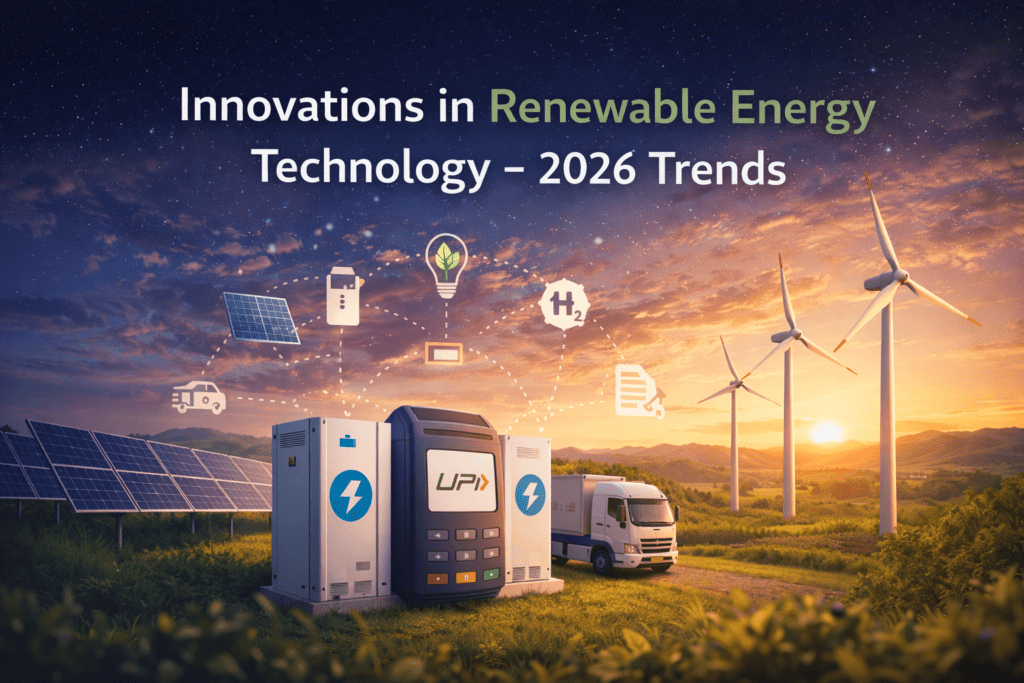
As the world becomes more concerned with climate change and sustainable development, renewable energy has become a major area of innovation. Recent advances in technology have made renewable energy systems much better, more reliable, and less expensive.
Here are ten big new ideas that are changing how renewable energy is made and used.
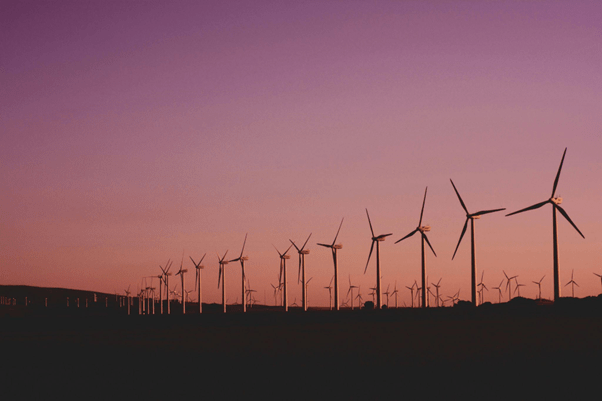
1. Advanced Solar Technologies
Solar power has come a long way from the days of simple photovoltaic panels atop rooftops.
- Perovskite-based solar cells are becoming very efficient and cheap alternatives to traditional silicon cells. In the lab, they can be more than 25% efficient, and in tandem structures, they can be more than 30% efficient.
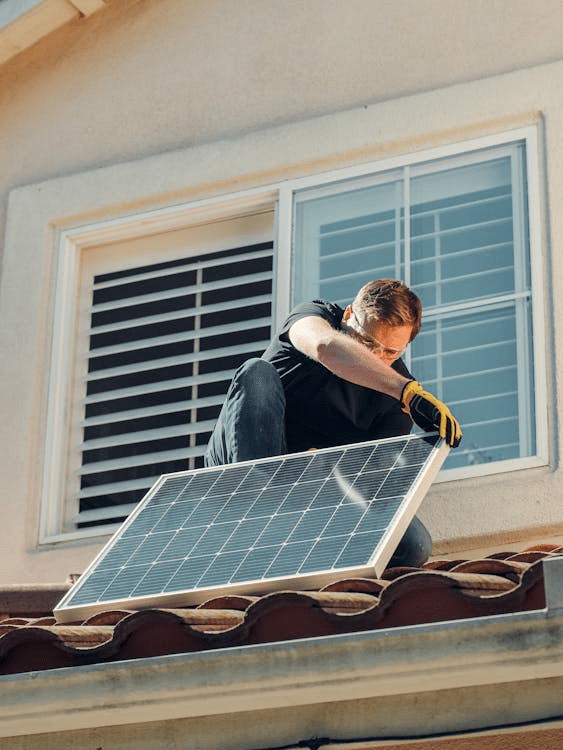
- Bifacial solar panels collect sunlight from both sides, which can boost energy output by 20–30% in places where light is reflected, such rooftops, roadways, or water surfaces.
- Building-integrated photovoltaics (BIPV) and clear solar films let windows, walls, and even cars make power without looking bad.
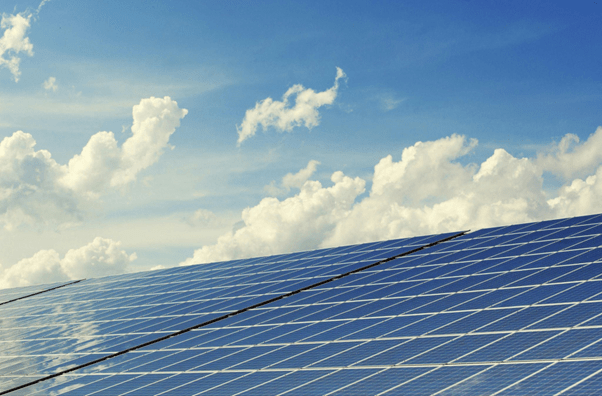
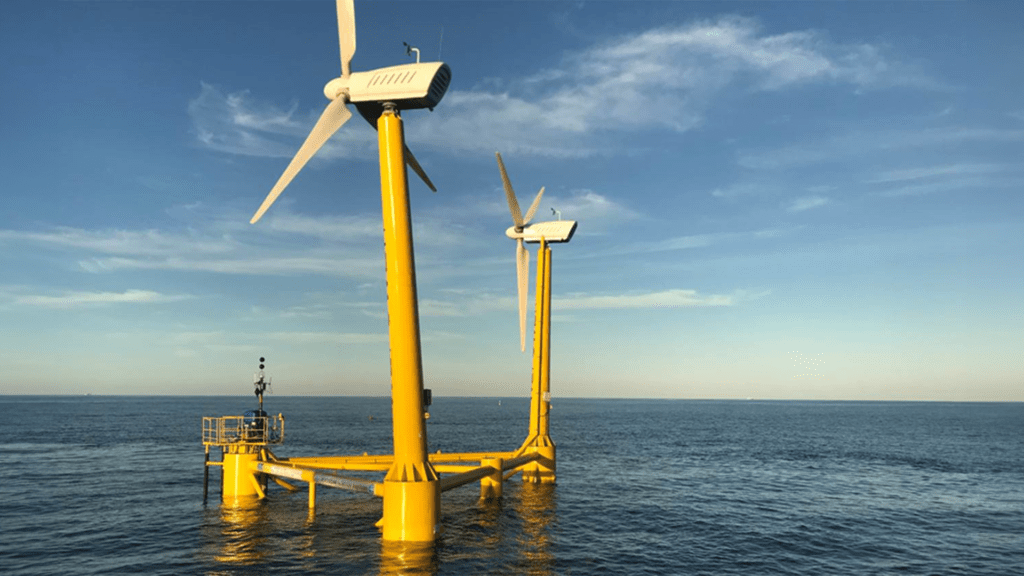
2. Floating Offshore Wind Turbines
Wind energy is going from farms on land to deeper oceans.
- Floating offshore wind farms work in water that is 60 to 100 meters deep or deeper. The winds are stronger and more steady there than they are on land or in shallow coastal locations.
- These platforms let countries with little amounts of land (like Japan, South Korea, portions of Europe, and island nations) use a lot of wind energy without fighting over land.
3. Green Hydrogen Production
Green hydrogen is a clean energy source that comes from renewable electricity.
- It is made using electrolysis, which uses renewable energy to break water down into hydrogen and oxygen. This process does not release any carbon directly.
- Green hydrogen is becoming more popular in heavy transportation (trucks, ships, trains), steelmaking, chemicals, and long-term energy storage, where it is hard to electrify directly.

4. Next‑Generation Energy Storage
Because solar and wind power don’t always work, enhanced storage is needed to keep the system stable.
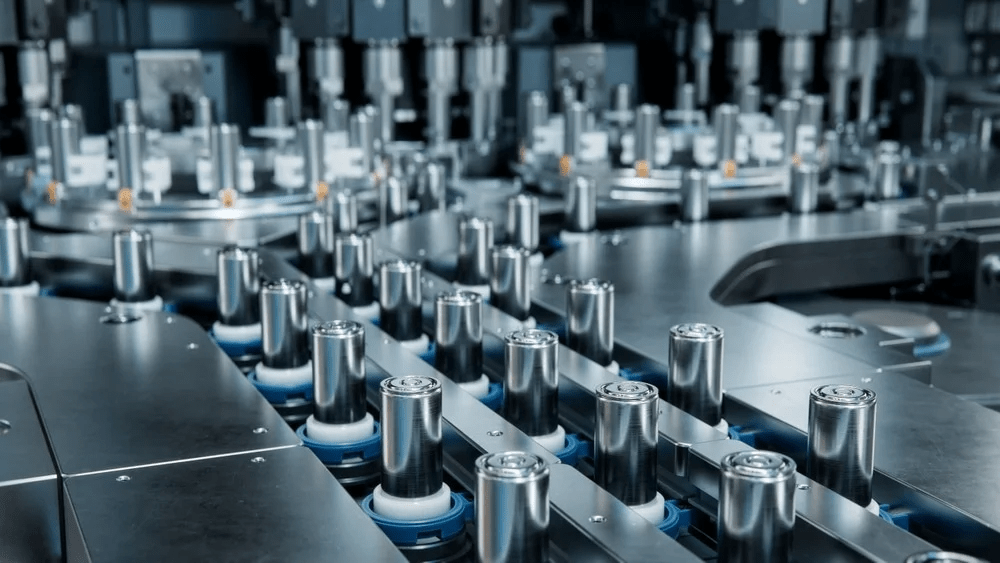
- Solid-state batteries are better than typical lithium-ion systems because they have more energy density, charge faster, and are safer. This makes them great for electric vehicles and home/grid storage.
- Thermal storage devices, including molten salt and phase-change materials, store heat from concentrated solar power and let it go when it’s needed.
- Gravity-powered storage uses extra electricity to elevate big blocks or weights. When they are dropped, they make power. This type of storage lasts a long time and has little effect on the environment.
5. Smart Grids and AI‑Driven Management
AI and the Internet of Things (IoT) are making modern grids smarter and more responsive.
- Smart grids employ sensors, software, and communication networks to keep an eye on the flow of power and demand in real time. This lets them automatically balance loads and do predictive maintenance.
- AI-based analytics assist in predicting how much renewable energy will be produced, make the best use of power, and connect distributed resources like rooftop solar panels, electric vehicle charging stations, and home batteries into a stable, efficient system.
6. Sustainable Bioenergy and Waste‑to‑Energy
New ways to make bioenergy turn trash into sustainable energy.
- Algae, agricultural waste, and municipal solid waste are used to make power. This cuts down on the amount of trash that goes to landfills and the amount of methane that is released.
- Anaerobic digestion, gasification, and rapid pyrolysis are some examples of advanced technologies that make bioenergy more sustainable and work better with circular economy models. These technologies also cut down on air pollution.
7. Hybrid Renewable Energy Systems
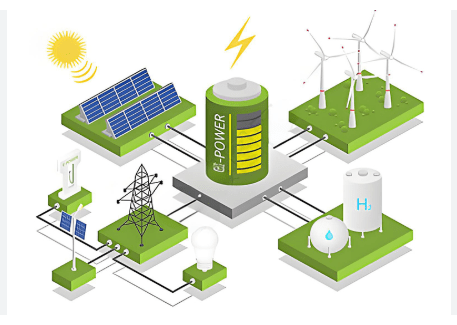
Hybrid systems use more than one renewable source to make them more reliable.
- Solar-wind-battery hybrids combine solar farms with wind turbines and storage to make sure that power is always available, day and night.
- Mini-grids and micro-grids in rural or isolated locations use hybrid systems to make power more dependable and inexpensive and to cut down on the need for diesel generators.
8. Advanced Wind Turbine Designs
Turbines on land and in the ocean are being rebuilt to make more power at a lower cost.
- Direct-drive generators, taller towers, and longer blades all capture more wind energy while lowering mechanical losses and the need for maintenance.
- Digital controls and predictive maintenance software make turbines work better and last longer, which lowers the cost of energy even further.
9. Geothermal Energy Innovation
New drilling and heat-extraction technology have made it possible to use geothermal energy in more than just a few volcanic areas.
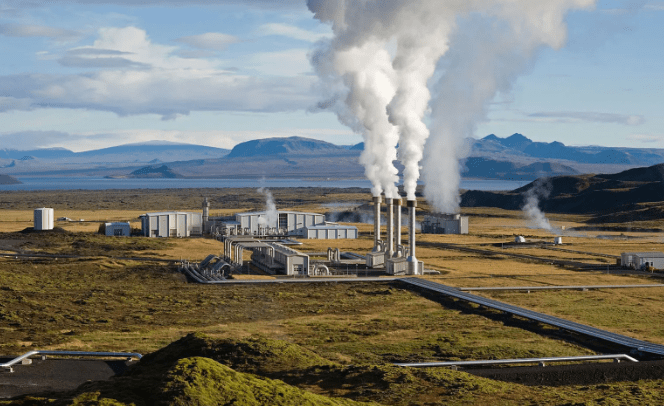
- Enhanced geothermal systems (EGS) use modern drilling and fracturing methods to generate underground heat-exchange zones in places that aren’t volcanic. This greatly increases the potential for geothermal electricity.
- Cities are using low-temperature geothermal and geothermal heat pumps to heat and cool buildings, which means they don’t have to rely as much on heating systems that use fossil fuels.
10. Digital Twins and Simulation for Renewable Projects
Digital twins, which are virtual copies of real-world energy systems, are speeding up the planning and running of projects.
- Before building, developers use digital-twin platforms to test solar arrays, wind farms, and storage systems in varying weather and grid situations.
- These simulations help you choose the best layout, components, and maintenance schedules, which lowers costs and makes things work better in the long run after they are put into use.
What Is Renewable Energy?
Green or clean energy, often known asrenewable energy, originates from natural sources that are always being replenished on a human timeframe. These include sunshine, wind, water, biomass, and geothermal heat.
These sources produce very few or nogreenhouse gases while they are running. The United Nations, the International Energy Agency (IEA), and theInternational Renewable Energy Agency (IRENA) all support these sources as important to reaching global climate change targets and sustainable development goals.
Conclusion
New ideas in renewable energy are not only making it cheaper and more efficient; they are also changing the way we make, store, move, and use electricity. These technologies, such as perovskite solar cells, floating wind farms, green hydrogen, smart grids, and digital twins, are making the world energy system more resilient, smarter, and less carbon-intensive.
References
- IEA – Tracking Solar Photovoltaic 2023
https://www.iea.org/reports/solar-pv[ibm] - NREL – Perovskite Solar Cells
https://www.nrel.gov/pv/perovskite-solar-cells.html[cnps] - IRENA – Offshore Wind Outlook 2021
https://www.irena.org/Publications/2021/Oct/Offshore-Wind-Outlook-2021[sciencedirect] - IEA – The Future of Hydrogen
https://www.iea.org/reports/the-future-of-hydrogen[weforum] - BloombergNEF – Energy Storage Outlook 2023
https://about.bnef.com/energy-storage/[ren21] - World Economic Forum – Smart grids and energy transition
https://www.weforum.org/agenda/2022/10/smart-grids-energy-transition/[weforum] - ScienceDirect – Advances in bioenergy technologies
https://www.sciencedirect.com/science/article/pii/S1364032122000114[premierscience] - United Nations – Renewable energy: Powering a safer future
https://www.un.org/en/climatechange/what-is-renewable-energy[news.un]

At EMBEDTALK, we create innovative solutions for modern education. Follow our posts for expert advice, product updates, and thought leadership in edtech.