
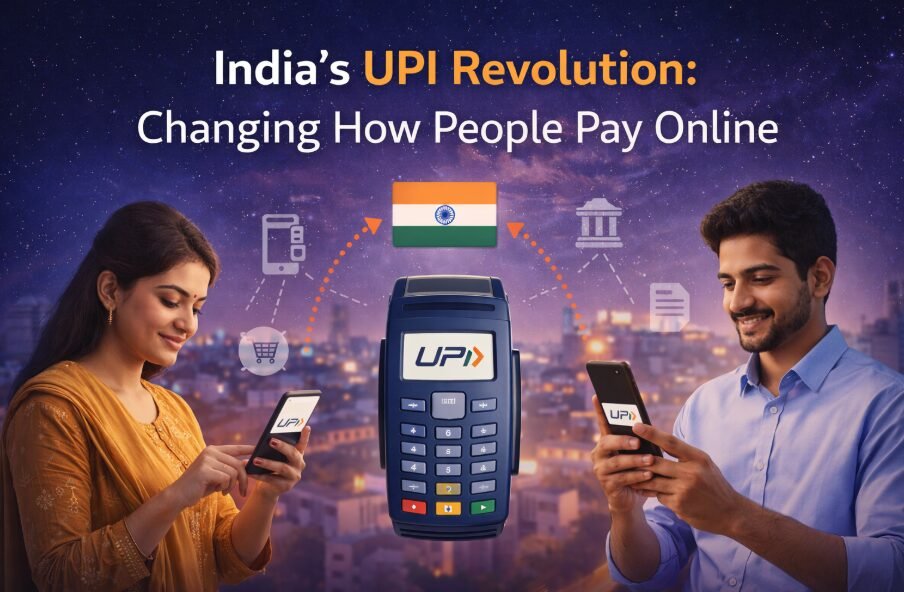
Since it started in 2016, the Unified Payments Interface has changed everything from sending money to other people, paying bills, and making regular subscriptions to B2B transactions. India moved ahead of old card rails and cash dependence thanks to UPI’s simple user experience, instant settlement, open API architecture, and great cooperation between the public and private sectors. So, this case study looks at where UPI came from, how it works, why people use it, how it affects the economy and society, the problems with governance and security design, and what other countries may learn from it. Major events and people are quoted from reliable sources.
1. Background: The reason India made UPI
Before UPI came along, payments in India were all over the place. Cash was the most prevalent way to pay, and cards, NEFT, and IMPS only met some demands and were hard to use together. Registration and interoperability were still big problems for low-end merchants and users. To encourage digital payments, the Reserve Bank of India (RBI) supported modernization projects, and in 2016, the National Payments Corporation of India (NPCI), an independent industry group, created the Unified Payments Interface. The main goal of UPI was to make payments easy, fast, and low-friction on a smartphone, where the virtual ID (the “UPI ID”) is linked to bank accounts in a 1-1 way.
UPI wasn’t just a technological solution; it was a system of rules and policies that made sure that banks, fintechs, merchants, and regulators all had the same goals. In just a few years, the UPI went from being used by a small group of people to being used by a lot of people.
2. Basic design and technology framework
UPI is basically an extra layer on top of India’s existing retail payment system (IMPS for instant settlement). The most important design ideas are:
- Users can send and receive payments without ever having to give their bank account information or IFSC code.
- Account-first model: UPI takes money straight from a user’s bank account, unlike a wallet, and the transaction is final right away.
- The open API and PSP approach lets banks and third-party apps (payment service providers, or PSPs) work together using a set of standard APIs. NPCI takes care of routing transactions and making sure the rules are followed.Single-click flows and QR codes: The simple user experience made it easy for both businesses and customers to use. Customers could either scan a QR code or type in their UPI ID.
- Real-time settlement and reconciliation: IMPS supports instant clearing, and NPCI is the switch that handles routing, reconciliation, and clearing.
- UPI 1.0 focused on P2P/P2M, but later upgrades (UPI 2.0, AUTOPAY, mandates, merchant on-us features) included support for recurring payments, overdrafts, and one-time mandates.
In short, this modular, standards-first method let a lot of apps (banks, fintechs, wallets) compete on user interface while the NPCI kept interoperability and settlement integrity.
3. Things that make people want to use it quickly
Several factors in the context sped up the growth of UPI beyond only engineering:
- Smartphones and data are getting cheaper: The market for smartphones and cheap mobile data is definitely growing as prices drop.
- The JAM (Jan Dhan–Aadhaar–Mobile) trinity: The Pradhan Mantri Jan Dhan Yojana made it easier for people to open bank accounts by adding Aadhaar and mobile links.
- Demonetization (late 2016): The unexpected lack of cash made people and businesses explore digital payments. UPI took advantage of this by offering services that got rid of old problems.
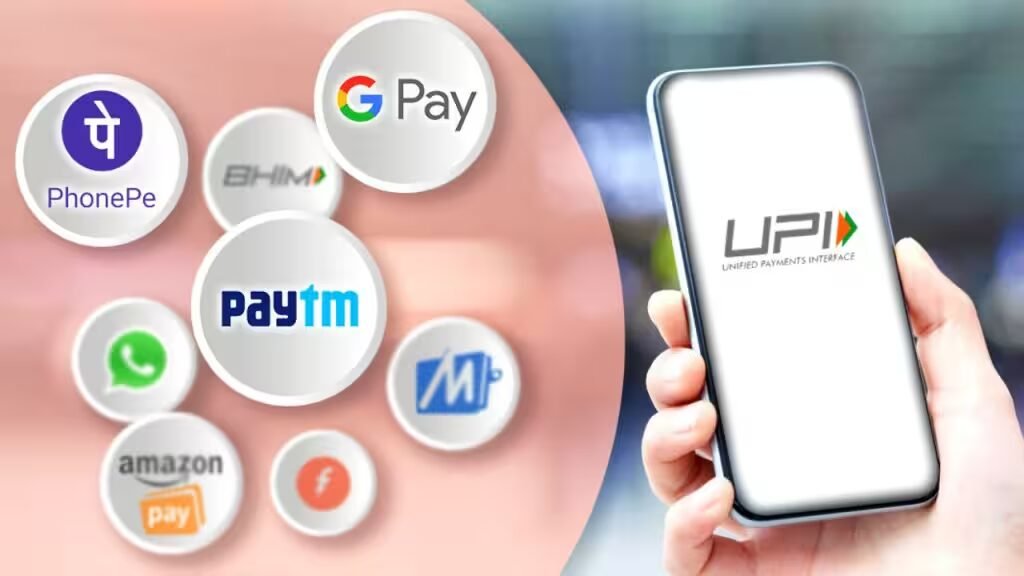
- A pro-competitive atmosphere and fintech innovation: Non-bank PSPs and startups made the user experience great on top of the rails. Bright companies like PhonePe, Google Pay, BHIM, and Paytm fostered viral growth by giving merchants incentives to use their services.
- Regulatory alignment and low fees: NPCI’s pricing regulations with clear interchange fees made it easier for micro-merchants to embrace UPI, even when accepting cards wasn’t cost-effective for them.
This is an example of an explosive adoption curve: what started as a small number of transactions grew to billions per month in just a few years.
4. Size and recent achievements
UPI is not a little test; it is one of the biggest instant payment systems right now. According to recent NPCI data, there were tens of billions of transactions every month, with values in the multiple lakh-crore range (month-wise). For example, mid-2025 metrics showed that there were about 19–20 billion UPI transactions in a single month, with transaction values going over multiple lakh crore rupees. On a daily average basis, transaction values went into the tens of thousands of crores, which is a scale that is either equal to or greater than that of several mature card ecosystems. This further confirms that UPI is India’s main way for people to pay for things.
5. Effects on the economy and society
The spread of UPI had a lot of effects:
- Displacement of cash: studies and trade reports have demonstrated a considerable movement from the usage of cash to digital for daily utility purchases (grocery, transport, utilities), thereby enhancing traceability and convenience.
- Financial inclusion: low-value quick transfers and easy onboarding assisted those who had never used digital payments before to get transfers and use them.
- Digitizing tiny and micro businesses: QR codes were everywhere, and shops didn’t have to pay a lot for POS hardware to take digital payments.
- Consumer convenience and productivity: Instant P2P transactions let informal economies run more smoothly by making things like tipping, paying domestic workers, and family transfers easier.
- Growth of platforms and fintech: Easy payments made it easier to lend money, offer merchant services, and create aggregator platforms. This is because they lowered payment friction and made data signals richer.
The UPI increases digital flows and formalizes them, but the overall impact on the economy, through the tax base and productivity, is expected to take time to show up. This is something that academics and policymakers are currently looking into.
6. Safety, privacy, and trust
The key to UPI’s success is security and user trust. The most important parts are:
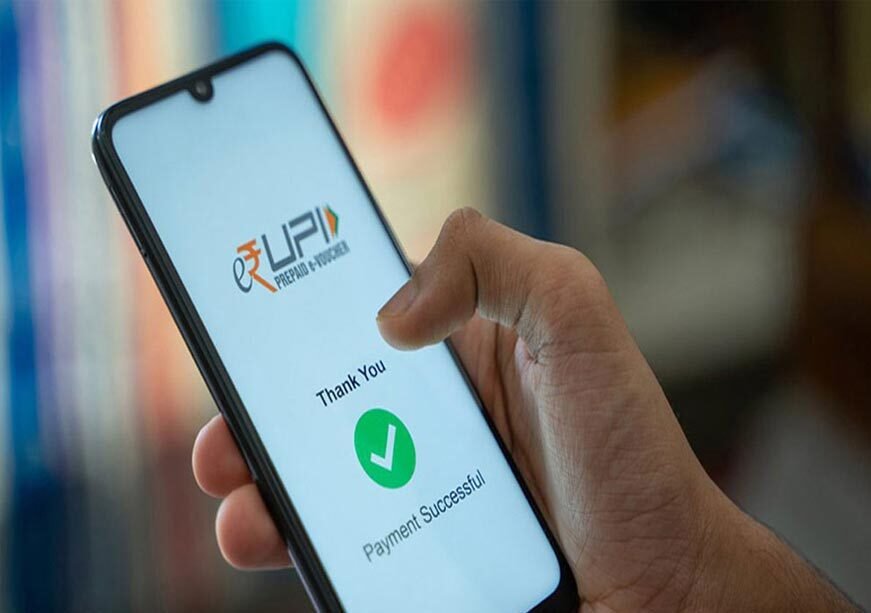
- Two-factor authentication and device binding: UPI apps need both to work, and transactions need a UPI PIN.
- RBI/NPCI rules: monitoring sets guidelines for how merchants can join, how transactions are watched, and how to stop dispute resolution from being used as a way to commit fraud.
- Updates all the time: NPCI sends out circulars and feature improvements to fix edge-case problems (such balance inquiry standards and numeric ID mapping) and make KYC/onboarding rules better.
- Limitations and fraud: As the amount of transactions grew, fraudsters used social engineering techniques to carry out phishing, vishing, and authorized push payment fraud. NPCI, banks, and PSPs keep putting in additional measures when they are needed, like machine-learning risk engines, transaction monitoring based on patterns, two-step verification for big-ticket transactions, and campaigns to raise consumer awareness.
Security is always changing. The rails can be made completely safe, but user behavior, merchant practices, device cleanliness, and dispute resolution mechanisms are all very important for retaining trust.
7. Changes and new ideas for products
UPI’s product evolution plan shows how they use iterative innovation:
- UPI 2.0 with AUTOPAY: allowed pre-authorized mandates and recurring payments, which are very important for subscriptions, billers, and smaller EMIs. AUTOPAY set a standard for what recurring mandates mean in all apps.
- Merchant-centric features like merchant-on-us routing, QR standardization, and offline QR alternatives make it considerably easier and inexpensive to accept payments.
- Credit and BNPL experiments: NPCI and fintechs are making it possible for credit to flow over UPI rails (for example, changing in-flows to EMIs), which expands UPI from payments to embedded finance.
Core rails and ongoing product extensions have thus fulfilled their function of maintaining UPI’s applicability to new use cases.
8. Problems and dangers
Even while UPI has had some success, it still has problems:
- Fraud and social engineering: The biggest operational risk right now is when people use deception to get money (for example, when consumers authorize payments under false pretenses). It needs to teach consumers, make it easier to settle disputes, and make PSP controls stronger.
- Profitability and interchange economics: cheap fees that encouraged acceptance have hurt the economics of merchant acquiring. If the volume grows, then merchants must use pricing structures that are viable, and they may even need to offer some value-added services.
- Data privacy and concentration: Big fintech apps collect a lot of payment and behavior data. Regulators would have to balance protecting innovation, data privacy regulations, and competition policy.
- Resilience and concentration risk: NPCI’s centrality is a strength, but it also poses a concentration risk—operational outages or cybersecurity events might have a bigger impact on the economy or India as a whole.
- International rail interoperability: Global acceptability and cross-border settlement are still in their early stages; consequently, managing connection, foreign exchange, and regulatory coordination is of utmost importance internationally.
We need a mix of technology (to find fraud), regulation (to set timetables for disputes and protect consumers), and market design (to provide banks and PSPs business incentives).0
9. Lessons in policy and governance
Policymakers in other countries can learn a lot from India’s UPI story:
- Neutral industry governance: The NPCI, which is a not-for-profit organization run by the industry, kept prices and access to services reasonably stable.
- Open standards and ecosystem incentives: Standard APIs and open participation for PSPs encouraged new ideas while keeping everything compatible.
- policies alignment is important: Coordinated public policies (such bank account drives, identity infrastructure, and clear rules) made it easier for people to accept.
- Iterate and Govern: Upgrading the system all the time, making rules, and using data to keep an eye on things made it possible to make it bigger while keeping it stable.
- Consumer protection is a must: fraud prevention, ways to resolve disputes, and teaching consumers should all be top priorities from the start, not after the business has grown.
For authorities in other places, the balance between competitiveness, charge design, and data governance is quite important.
10. Looking ahead: paths into the future
The UPI environment will likely keep changing in a number of ways:
- Embedded finance: payments will become more and more the way to borrow money, save money, get insurance, and get services from merchants.
- Cross-border and remittances: efforts to make cross-border UPI rails possible might make remittances even more efficient for expat communities.
- Smart-mode payments and AI: more merchant data and real-time analytics will let you get personalized offers and risk scores that change over time.
- Privacy and Competition Regulatory Crackdown: As data becomes more concentrated, there should be more active oversight of data portability, consent frameworks, and interoperability mandates.
India has successfully dealt with the problems of fraud, privacy, and competition, thus UPI will almost probably continue to be seen as the world’s best way to make quick payments.
11. Final thoughts
UPI is not only a way to pay; it is a change in society and technology. India could make a low-cost, high-utility payments system that works for everyone, from an informal rural teashop owner to a mobile-first metropolitan consumer, by using smart design, aligning institutions, and making changes all the time. Its lightning-fast adoption has had a huge effect on the economics of merchants, the dynamics of financial inclusion, and even the business models of the fintechs themselves. UPI is a good model for any country that wants to quickly grow digital payments, but it needs to be carefully customized to fit local institutions, consumer safeguards, and market dynamics.
References
- The National Payments Corporation of India (NPCI) keeps track of UPI product statistics and monthly metrics.
- “Lessons from the Unified Payments Interface (UPI)” from the Bank for International Settlements (BIS)
- India Brand Equity Foundation (IBEF) says that “Unified Payments Interface (UPI) transactions will skyrocket in 2025.”
- Recent news from The Economic Times and NPCI about UPI monthly volumes reaching 20 billion in August 2025.
- AUTOPAY and feature circulars on NPCI product/feature sites explain how recurring payments work and how UPI products have changed over time.

At EMBEDTALK, we create innovative solutions for modern education. Follow our posts for expert advice, product updates, and thought leadership in edtech.